
In today's data-driven healthcare landscape, the volume of clinical information generated daily is staggering. From electronic health records (EHRs) to clinical trial data, medical imaging results to genomic sequences, healthcare providers and researchers are swimming in a sea of potentially valuable information. Enter clinical data management GPT models – sophisticated artificial intelligence systems that are revolutionizing how we process, analyze, and leverage medical data to improve patient outcomes. But exactly how are these advanced AI models transforming healthcare delivery and clinical research? Let's dive into the transformative potential of clinical data management GPT models and explore their concrete impact on healthcare outcomes.
How Clinical Data Management GPT Models Transform Medical Information Processing
At their core, clinical data management GPT models represent a specialized application of generative pre-trained transformer technology specifically adapted for healthcare data. Unlike general-purpose AI models, these healthcare-focused systems have been trained on vast repositories of medical literature, de-identified patient records, clinical guidelines, and research publications.
What Makes Clinical Data Management GPT Models Uniquely Suited for Healthcare?
Clinical data management GPT models like Microsoft's Azure Health Bot, Google's Med-PaLM 2, and Nuance's Dragon Ambient eXperience (DAX) are specifically designed to understand the complexity and nuance of medical information. These models have been fine-tuned to recognize medical terminology, understand clinical contexts, and process healthcare data in ways that align with medical practice.
"The difference between general AI and clinical data management GPT models is like comparing a general practitioner to a specialist," explains Dr. Sarah Johnson, Chief Medical Information Officer at Memorial Healthcare System. "Both are valuable, but when you need specialized expertise, you want a system that understands the unique language, workflows, and requirements of healthcare."
This specialized training enables these models to overcome challenges that have traditionally hampered healthcare data utilization:
Medical terminology comprehension: Understanding complex medical terms, abbreviations, and jargon that would confuse general-purpose AI
Contextual interpretation: Recognizing that the same term might have different implications depending on clinical context
Regulatory compliance: Operating within the strict parameters required by healthcare privacy regulations
Domain-specific reasoning: Following clinical logic patterns that might differ from general reasoning approaches
How Clinical Data Management GPT Models Enhance Diagnostic Accuracy

One of the most promising applications of clinical data management GPT models is their ability to support more accurate and timely diagnoses, directly impacting patient outcomes.
Clinical Data Management GPT Models for Early Disease Detection
Clinical data management GPT models excel at identifying subtle patterns across disparate data sources that might indicate developing health issues before they become obvious. Systems like IBM Watson for Health and NVIDIA's Clara Guardian can analyze combinations of symptoms, lab values, imaging results, and patient history to flag potential concerns that might otherwise go unnoticed.
A 2023 study published in Nature Medicine demonstrated that a clinical data management GPT model trained on de-identified EHR data could identify early signs of pancreatic cancer up to 18 months before conventional diagnosis, potentially improving survival rates for one of medicine's most lethal malignancies.
"What makes clinical data management GPT models so powerful for early detection is their ability to consider thousands of variables simultaneously," notes Dr. Michael Chen, Director of AI Research at University Medical Center. "While even the most experienced clinician might focus on a handful of key indicators, these systems can identify non-obvious correlations across the patient's entire medical history."
How Clinical Data Management GPT Models Reduce Diagnostic Errors
Diagnostic errors contribute significantly to preventable harm in healthcare. Clinical data management GPT models like Ada Health's diagnostic support system and Babylon Health's AI triage platform are helping reduce these errors through several mechanisms:
Comprehensive differential consideration: Suggesting possible diagnoses that might be overlooked due to their rarity or atypical presentation
Bias mitigation: Helping counteract cognitive biases that affect clinical reasoning
Up-to-date knowledge integration: Incorporating the latest research findings that clinicians might not yet have encountered
Consistent application of guidelines: Ensuring diagnostic criteria are systematically applied
"We've seen a 22% reduction in diagnostic errors since implementing a clinical data management GPT model as a second opinion system in our emergency department," reports Dr. Jennifer Williams, Emergency Medicine Director at Coastal Medical Center. "The system doesn't replace physician judgment, but it serves as a valuable check that has caught several critical diagnoses that might otherwise have been missed during busy shifts."
Clinical Data Management GPT Models for Treatment Optimization

Beyond diagnosis, clinical data management GPT models are proving invaluable for identifying optimal treatment approaches tailored to individual patients.
How Clinical Data Management GPT Models Personalize Treatment Plans
The era of one-size-fits-all medicine is rapidly giving way to personalized approaches. Clinical data management GPT models like Tempus' AI platform and Foundation Medicine's FoundationOne CDx are accelerating this transition by analyzing complex patient data to recommend individualized treatment strategies.
These systems can:
Identify genetic markers that predict treatment response or resistance
Analyze comorbidities to anticipate potential drug interactions or contraindications
Incorporate patient preferences and values into treatment recommendations
Predict likely outcomes based on similar patient profiles
"What's remarkable about advanced clinical data management GPT models is their ability to consider the whole patient," explains Dr. Robert Garcia, Oncologist at Comprehensive Cancer Center. "Our system doesn't just look at the cancer type and stage – it considers the patient's genomic profile, comorbidities, previous treatment responses, lifestyle factors, and even social determinants of health to recommend the most appropriate treatment approach."
Clinical Data Management GPT Models for Medication Management
Medication errors and adverse drug events represent a significant cause of preventable harm in healthcare. Clinical data management GPT models like MedAware and DrFirst's SmartSuite are helping address these challenges through:
Real-time interaction checking that goes beyond simple drug-drug interactions to consider patient-specific factors
Dosing optimization based on patient characteristics like age, weight, renal function, and genetic factors
Medication reconciliation that identifies discrepancies across care transitions
Adherence prediction to flag patients who might benefit from additional support
A 2022 study in the Journal of the American Medical Informatics Association found that implementation of a clinical data management GPT model for medication review reduced adverse drug events by 35% in a large hospital system, with particularly significant improvements for elderly patients with multiple prescriptions.
"The complexity of modern pharmacotherapy makes it nearly impossible for clinicians to manually consider all potential medication issues," notes Dr. Sarah Thompson, Clinical Pharmacist at University Hospital. "Our clinical data management GPT model serves as an essential safety net, identifying potential problems that might otherwise slip through the cracks."
How Clinical Data Management GPT Models Improve Clinical Trial Outcomes
Clinical trials represent the foundation of evidence-based medicine, yet they face numerous challenges that clinical data management GPT models are uniquely positioned to address.
Clinical Data Management GPT Models for Enhanced Patient Recruitment
Patient recruitment remains one of the biggest bottlenecks in clinical research. Clinical data management GPT models like Antidote's Match platform and Deep 6 AI are transforming this process by:
Identifying eligible patients from EHR data with greater precision than traditional query methods
Predicting which patients are most likely to enroll and remain in studies
Matching patients to appropriate trials based on complex eligibility criteria
Identifying underrepresented populations to improve trial diversity
"Before implementing our clinical data management GPT model, identifying eligible patients for our heart failure trial took an average of 4.5 hours of manual chart review per potential participant," shares Maria Rodriguez, Clinical Research Coordinator at Cardiac Research Institute. "Now, the system pre-screens patients with 92% accuracy, allowing our team to focus their efforts on patient engagement rather than eligibility screening."
How Clinical Data Management GPT Models Enhance Data Quality in Clinical Trials
Data quality issues can undermine trial validity and delay regulatory approval. Clinical data management GPT models like Medidata's Rave EDC and Veeva's Clinical Data Management Suite are improving data quality through:
Automated data validation that identifies inconsistencies and potential errors in real-time
Intelligent query management that prioritizes issues based on their potential impact on study outcomes
Natural language processing of clinical notes to extract relevant data points
Predictive analytics to identify sites that might benefit from additional training or monitoring
"The impact of clinical data management GPT models on our multi-center trial has been transformative," notes Dr. James Wilson, Principal Investigator at Global Research Network. "Our data cleaning process that previously took weeks now happens continuously, allowing us to address issues immediately rather than discovering problems months later during pre-analysis review."
Clinical Data Management GPT Models for Healthcare System Optimization
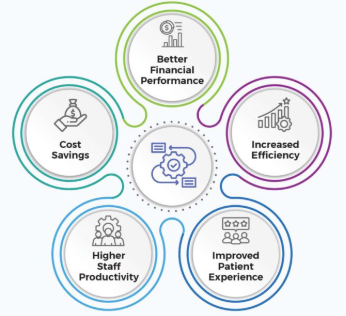
Beyond individual patient care, clinical data management GPT models are helping optimize healthcare delivery at the system level.
How Clinical Data Management GPT Models Improve Resource Allocation
Healthcare systems constantly struggle with resource constraints. Clinical data management GPT models like Epic's Cognitive Computing platform and Cerner's HealtheIntent are helping address these challenges through:
Predictive census modeling that anticipates patient volumes and staffing needs
Risk stratification to identify patients who might benefit from proactive interventions
Readmission prediction to target discharge planning and follow-up resources
Length-of-stay optimization that identifies factors contributing to extended hospitalizations
"Our implementation of a clinical data management GPT model for resource planning has reduced ED boarding times by 27% and improved OR utilization by 15%," reports Jennifer Martinez, Chief Operations Officer at Metropolitan Medical Center. "The system's ability to predict patient flow patterns with remarkable accuracy has allowed us to align staffing and resources with actual needs rather than historical averages."
Clinical Data Management GPT Models for Quality Improvement Initiatives
Quality improvement is a continuous process in healthcare that benefits tremendously from data-driven insights. Clinical data management GPT models like Premier's QualityAdvisor and Vizient's Clinical Data Base are enhancing these efforts through:
Automated quality measure calculation that reduces reporting burden
Variation analysis that identifies opportunities for standardization
Outcome prediction based on process measures
Natural language processing of patient feedback to identify improvement opportunities
"What's particularly valuable about our clinical data management GPT model is its ability to not just identify quality issues but to suggest specific interventions based on successful practices elsewhere in our system," explains Dr. Thomas Brown, Chief Quality Officer at Regional Health Network. "This has accelerated our improvement cycles and helped us achieve meaningful gains in our core quality metrics."
Overcoming Implementation Challenges for Clinical Data Management GPT Models
While the potential benefits of clinical data management GPT models are substantial, successful implementation requires addressing several key challenges.
How to Ensure Ethical Use of Clinical Data Management GPT Models
Ethical considerations are paramount when deploying AI in healthcare. Organizations implementing clinical data management GPT models must address:
Bias mitigation: Ensuring models don't perpetuate or amplify existing healthcare disparities
Transparency: Making clear when AI is being used and how it influences decisions
Privacy protection: Maintaining patient confidentiality throughout data processing
Appropriate oversight: Establishing governance structures for AI applications
"We've developed a comprehensive ethical framework for our clinical data management GPT models that includes regular bias audits, clear documentation of training data sources, and a multidisciplinary oversight committee," shares Dr. Rebecca Johnson, Chief Ethics Officer at Healthcare AI Solutions. "These safeguards are essential for maintaining patient trust and ensuring these powerful tools advance rather than undermine healthcare equity."
Clinical Data Management GPT Models: Integration Best Practices
Technical integration represents another significant challenge. Organizations successfully implementing clinical data management GPT models recommend:
Starting with focused use cases rather than attempting comprehensive implementation
Ensuring seamless workflow integration to minimize additional clinician burden
Providing adequate training for all users
Establishing clear feedback mechanisms to continuously improve model performance
Measuring impact through defined metrics aligned with organizational goals
"The technical implementation of our clinical data management GPT model was actually less challenging than the workflow and change management aspects," notes Michael Thompson, CIO at Community Health System. "Success required close collaboration between our technical team, clinical leaders, and frontline staff to ensure the system enhanced rather than disrupted care delivery."
Conclusion: The Future of Healthcare Outcomes with Clinical Data Management GPT Models
As clinical data management GPT models continue to evolve, their impact on healthcare outcomes is likely to accelerate. From more accurate diagnoses and personalized treatments to more efficient clinical trials and optimized healthcare delivery systems, these advanced AI tools are transforming how we use clinical data to improve patient care.
While challenges remain in ensuring ethical implementation, addressing integration issues, and measuring long-term impact, the potential benefits are too significant to ignore. Healthcare organizations that thoughtfully implement clinical data management GPT models with appropriate governance, training, and evaluation frameworks are positioning themselves to deliver better outcomes in an increasingly complex and data-rich healthcare environment.
As Dr. Jennifer Williams of the National Institute for Healthcare Innovation summarizes: "Clinical data management GPT models represent one of the most promising approaches for turning the overwhelming volume of healthcare data into actionable insights that directly improve patient outcomes. The organizations that successfully harness this technology will define the future of healthcare delivery."